Woking station access removals insider tips for narrow streets

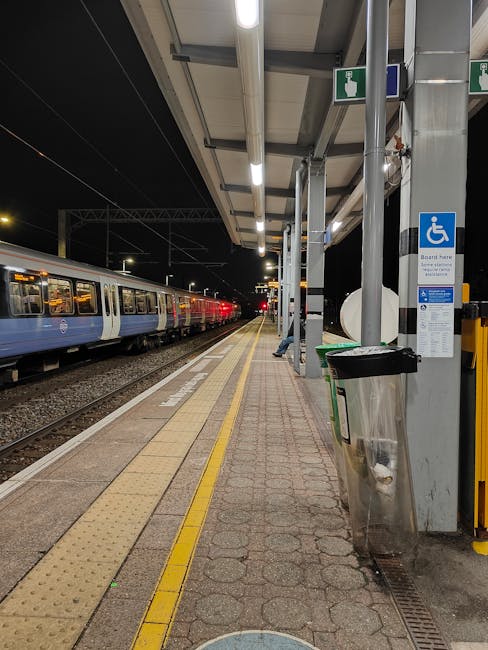
If you are trying to move near Woking station, narrow streets can turn a straightforward removal into a bit of a chess game. Vans need room to approach, neighbours still need access, parking can vanish quickly, and one badly timed turn can throw the whole day off. That is why Woking station access removals insider tips for narrow streets matter so much: the difference between a calm move and a stressful one is often planning, timing, and a clear understanding of the street layout before a single box is lifted.
In this guide, we'll walk through what makes station-area access tricky, how removals are usually handled on tight roads, and the small practical decisions that save time, money, and a fair amount of hassle. You will also find a checklist, a comparison table, and a realistic example from a cramped moving day. Nothing flashy. Just the sort of advice that helps when the pavement is narrow, the van is bigger than expected, and everyone's watching the clock.
Why Woking station access removals insider tips for narrow streets Matters
Station areas are busy at the best of times. Add terraced housing, parked cars on both sides, delivery traffic, crossing pedestrians, and a van that needs a little more turning room than the street wants to give, and the move becomes much more sensitive to small errors. In narrow streets, access is not just about whether a vehicle can physically enter. It is about whether it can stop, load, reverse, turn, and leave without causing delays or friction.
That matters for three simple reasons. First, time. If a crew has to keep repositioning a van because the street is too tight, the job slows down. Second, safety. Tight road edges, blind corners, and busy pavements increase the chance of awkward lifts or damaged items. Third, neighbour relations. Nobody enjoys a removal that blocks driveways or leaves people trapped in their own street. A well-managed move tends to feel quieter, cleaner, and somehow more professional from the outside.
To be fair, a lot of access problems are predictable. People often know the street is narrow, but they underestimate the knock-on effects: how much space the ramp needs, where the crew can park a second vehicle, and what happens if the large sofa cannot be angled through the hallway in one piece. That is where proper planning earns its keep.
If you are also arranging a wider home relocation, it can help to understand the bigger process first through home moves support and the practical scope of house removalists. For smaller, more flexible jobs, a man with van service can sometimes suit tight-access conditions better than a larger vehicle, but only if the load size and access plan match the job.
How Woking station access removals insider tips for narrow streets Works
Most successful tight-access removals follow the same basic pattern: check the route, confirm the parking option, size up the van, and split the moving tasks into loadable sections. Simple on paper. A little more fiddly in real life.
The first step is understanding whether the van can reach the property at all. That means checking not only the postcode, but the actual approach road, nearby junctions, width restrictions, and the likely parking distance from the front door. A route can look fine on a screen and still be a nightmare on the ground because of a sharp corner, a one-way section, or that one car that always seems to be left exactly where you need to turn.
Next comes the loading plan. In narrow streets, it often makes sense to prioritise items by size and fragility. Large furniture should be ready first if the van window is short, while smaller boxes can fill the gaps later. If a stairwell is tight, items may need to be carried in a set order so the crew is not constantly doubling back. That sounds obvious, but in the rush of moving day people often just start with whatever they see first. And then, well, chaos does what chaos does.
The vehicle itself matters too. A medium van may be easier to place than a larger truck, especially when turning is limited. If the job includes heavy or bulky items, though, a bigger vehicle may still be the better call provided access is arranged properly. The choice is not about what looks impressive. It is about what can actually get in, out, and parked without making the whole road miserable.
For moves that involve a mix of home contents and specialist handling, you may also want to look at packing and unpacking services to reduce the number of awkward loose items carried through tight hallways. If the job involves larger loading capacity or repeated trips, removal truck hire or a suitable moving truck may be the more efficient option.
Key Benefits and Practical Advantages
Good access planning is not only about avoiding problems. It actively improves the move. You notice it in the rhythm of the day: fewer pauses, cleaner handovers, less hovering around the front door wondering what happens next.
- Less wasted time: When parking and loading points are clear, the crew can keep moving.
- Lower risk of damage: Shorter carry distances and better route planning reduce the chance of knocks, scrapes, and dropped items.
- Less stress for the household: No one enjoys a moving day that turns into a traffic negotiation.
- Better use of labour: The team can focus on lifting and protection rather than constant repositioning.
- Improved neighbour goodwill: A tidy, efficient operation is far less disruptive.
There is also a practical money angle. Time lost to access issues can increase labour costs or create avoidable second trips. That does not mean every tight street becomes expensive. Not at all. But it does mean access details are worth treating seriously at the quotation stage rather than after the van has already arrived and everyone is standing there squinting at the road.
If you are comparing service styles, the broad difference is often this: a man and van arrangement can be nimble for lighter loads and short carries, while a larger removal setup may be more suitable for full-property moves where volume and protection are the main issue. The right choice depends on access, contents, and how much lifting the job really involves.
Who This Is For and When It Makes Sense
This advice is most useful if you are moving in or out of a road near Woking station where parking is tight, the street is lined with terraces, or access is shared with other properties. It also suits anyone with awkward items, limited driveway space, or a move that has to happen around commuter traffic. In other words: if getting a van near the door already feels like half the battle, you are in the right place.
It makes particular sense for:
- flat moves with stair access and narrow communal entries
- terraced houses with no private parking
- small business moves near busy roads or station frontage
- families moving on a time-limited schedule
- households disposing of bulky furniture at the same time
- landlords arranging quick turnaround clearances between tenancies
Commercial clients often face the same access pressures, just with more equipment and more people trying to work around the same constraints. If that sounds familiar, the approach used for commercial moves and office relocation services can be adapted for residential work too: plan access first, then build the schedule around it.
Sometimes the decision is not whether to move. It is whether to move now or wait until the access plan is solid enough. A day spent preparing can save a messy day of improvising. That is not glamorous, but it is true.
Step-by-Step Guidance
If you want the move to run smoothly, treat access as a mini project. Here is the sequence that usually works best.
- Map the actual arrival route. Do not rely only on the broad area. Look at the road shape, the final turn, and where a van can safely pause.
- Measure the problem points. Doorway width, stair corners, hallway bends, and any low ceilings all matter. A tape measure and a quick walk-through are worth more than guesswork.
- Decide where the van will stop. If the front of the property cannot take a vehicle, choose the nearest realistic loading point and estimate the carry distance.
- Identify parking restrictions early. Narrow roads often require careful timing. If a bay, permit, or temporary clear space is needed, sort that out before moving day.
- Separate items by shape and fragility. Flat-pack furniture, mattresses, appliances, and boxed items should be handled in a sensible sequence.
- Protect the route indoors. Hallways, thresholds, and stair rails need covering where scuffs are likely. A little protection saves a lot of regret later.
- Keep one person on access watch. Someone needs to be watching doors, vehicles, pedestrians, and neighbour access rather than just carrying boxes.
- Review the plan before the crew arrives. A five-minute briefing at the start can prevent a dozen small confusions.
One small but useful habit: mark the items that absolutely must not be left until last. That awkward wardrobe, the old fridge, the family table, the fragile mirror. When access is tight, leaving critical items to the end can create pressure just when everyone is tired.
If bulky appliances are involved, it may also help to pre-arrange specialist handling through fridge and appliance removal. Large white goods are the kind of thing that make narrow hallways feel two sizes smaller than they are.
Expert Tips for Better Results
Here is where the small gains add up. The best moving days near tight streets are usually won by details, not by brute force.
Choose the time window carefully
Early mornings can be calmer in some areas, but not always. Around a station, commuter patterns matter. If a road is busiest at school drop-off, or if delivery vans crowd the lane mid-morning, shift your slot if you can. The quietest window is often the one that gives your team room to breathe.
Use the smallest practical vehicle
People sometimes assume a bigger truck is always better. Not necessarily. On narrow roads, a slightly smaller vehicle that can stop properly may outperform a larger one that causes repeated manoeuvres. If the load is manageable, agility wins.
Pre-pack for hand-carry efficiency
Boxes should be stackable, sealed, and labelled clearly. Loose bags, awkwardly taped lids, and overfilled cartons slow everything down. A decent label on the side can save the crew from opening three boxes to find one kettle. True story? It happens.
Watch the turning space, not just the parking space
That is a classic mistake. A van may technically fit near a property but still be unable to swing out again. Turning space is often the thing people forget until it is too late. Always check the exit as carefully as the entrance.
Think in carry routes, not just vehicle routes
Once the van is parked, the indoor route matters more than the road. Door stops, tight landings, garden gates, and uneven steps all affect pace. A route that looks short can still feel surprisingly long if it involves three awkward corners and a slightly sticky front door.
Keep valuables and documents separate
Important paperwork, keys, and small electronics should travel with you rather than disappearing into the general load. For households sorting paperwork at the same time, confidential shredding can be a sensible add-on where unwanted documents need secure disposal.
Common Mistakes to Avoid
Most access problems are not dramatic. They are the sort of small oversights that build into a bigger mess. The good news is they are avoidable.
- Assuming the van will "just fit." Streets near stations can be tighter than they look in daylight.
- Leaving parking arrangements until the day of the move. By then, you are already under pressure.
- Overfilling boxes. Heavy boxes are slower, riskier, and much less pleasant to carry down stairs.
- Forgetting about neighbours and deliveries. A blocked lane creates tension very quickly.
- Ignoring the exit route. Getting in is only half the job.
- Not briefing the moving team. If everyone has a slightly different idea of the plan, the day gets noisy, fast.
Another sneaky issue is disposal. People often leave unwanted items until the last minute and then discover they are in the way. If that sounds familiar, it may be better to arrange a separate collection or disposal plan beforehand. Items like mattresses, old sofas, and appliances can be handled more efficiently when they are not sitting in the hallway on moving morning. For those situations, pages such as mattress and sofa disposal and furniture pick up can be useful starting points.
Tools, Resources and Recommendations
You do not need a suitcase full of gadgets. A few practical tools go a long way in narrow-street removals.
- Tape measure: for doorways, hallways, stairs, and furniture clearances.
- Room-by-room inventory list: helps you prioritise what should load first.
- Labels or coloured tape: keeps boxes grouped by room or urgency.
- Protective covers and blankets: useful for furniture edges and floors.
- Basic parking and access notes: a printed or written plan is easier to share than memory alone.
- Cleaning kit: a small cloth, dustpan, and bin bags are handy when old dust appears from nowhere, as it always does.
For people who want a more hands-off approach, packing and unpacking services can reduce the number of loose items and make loading much cleaner. If you are moving heavier household contents or larger volumes, removal truck hire may give you the capacity you need without improvising on the day.
If cost planning is on your mind, it is sensible to review pricing and quotes alongside the access details. Narrow streets can change the labour estimate, so it helps to be upfront early rather than guessing later. And if you are checking what the business covers operationally, the health and safety policy and insurance and safety information are worth a look.
Law, Compliance, Standards, or Best Practice
There is no single magic rule that solves every narrow-street move, but there are some normal UK expectations worth following. You should not block access unnecessarily, leave vehicles in unsafe positions, or create avoidable hazards for pedestrians, cyclists, or neighbours. If permits, time restrictions, or local parking rules apply, they need to be checked before the job begins.
Best practice is usually straightforward: keep access legal, keep the route safe, and keep communication clear. That includes checking whether any items need special handling or disposal. Hazardous materials, for example, should not be treated like ordinary waste. If your move includes substances or items that require specific handling, a page such as hazardous waste disposal can help frame the conversation before anything is left near a loading area.
There is also the practical issue of environmental responsibility. Reuse, donation where appropriate, and proper disposal are generally better than last-minute dumping. If you are clearing out a property, recycling and sustainability is a useful mindset, not just a nice extra. The easiest move is not always the one that throws everything into the nearest pile.
One more thing: accessibility matters. If a property has limited access for mobility reasons, or if the route needs special consideration, it is sensible to check the provider's accessibility statement and discuss the layout directly. That conversation can save everyone awkwardness later.
Options, Methods, or Comparison Table
Different access situations call for different methods. Here is a simple comparison to help you decide what fits best.
| Method | Best for | Strengths | Trade-offs |
|---|---|---|---|
| Small man and van | Light to medium loads, very tight streets | Flexible, easier parking, often quicker to position | Less capacity, may need more trips |
| Medium removal truck | Moderate household moves with decent access planning | Better volume, efficient loading | Needs more space to manoeuvre |
| Full removal service | Whole-property moves, larger furniture, more protection | Structured process, more support, useful for complex jobs | Usually more planning required up front |
| Hybrid approach | Mixed access conditions or multi-stage moves | Can balance flexibility and capacity | Needs clear coordination |
There is no universal winner here. A compact road with no easy turning space often suits a smaller vehicle, while a larger move with good timing and clear parking may benefit from a truck. The smartest option is the one that matches the street, not the one that sounds strongest on paper.
If you are unsure which approach fits your situation, a service like man with van can be a practical middle ground for many narrow-access jobs, especially where speed and manoeuvrability matter more than raw volume.
Case Study or Real-World Example
Imagine a two-bedroom flat a short walk from the station, with a narrow road, parked cars on one side, and a shared driveway that never quite feels wide enough. The household has a sofa, a bed frame, six boxes of books, a washing machine, and a small dining table. Nothing outrageous. But the access is awkward enough that the job could easily drift from orderly to annoying.
Here is how the smoother version usually plays out. The moving team confirms the nearest legal stopping point, checks the best time to arrive, and asks the client to keep the hallway clear the night before. The bed frame is dismantled in advance. Boxes are grouped by room. The washing machine is handled separately so it is not fighting for space with lighter items. A second person watches the entrance while the first load is carried, because on a narrow street you do not want to discover the neighbour's car has arrived and boxed you in.
The difference is not magical. It is just preparation. In a job like this, the team that plans the route and the load properly can often complete the move with less stress, fewer pauses, and fewer "right, can we just move this bit again?" moments. And yes, there is always that one box that turns up at the wrong moment. Usually with cables in it.
For households that are also clearing space rather than relocating everything, mattress and sofa disposal or furniture pick up can reduce congestion on moving day. That tiny bit of extra planning often makes the rest of the day feel much lighter.
Practical Checklist
Use this before the van arrives. It is simple, but it works.
- Confirm the exact access point, not just the street name.
- Check for parked cars, corners, bollards, and low branches.
- Measure large items and tight internal spaces.
- Decide where the vehicle will stop and how far items will be carried.
- Separate fragile items, valuables, and essential documents.
- Pack boxes so they can be lifted safely.
- Protect floors, banisters, and door frames where needed.
- Clear the hallway, entrance, and any shared landing.
- Prepare for parking restrictions or permits if required.
- Tell neighbours about the moving window if it may affect access.
- Arrange disposal for unwanted bulky items in advance.
- Keep one phone charged and accessible for coordination.
Quick expert summary: narrow-street removals near Woking station are won by preparation, not speed. If the access plan is clear, the move feels calmer, the crew can work more efficiently, and the whole day becomes much more predictable. That is the real trick.
And if you want to make the next step easy, it helps to understand the booking process and service options in advance through book online, or to review the team's background on about us before you decide. Small trust cues matter when your front door opens straight onto a tight road.
Conclusion
Woking station access removals are not difficult because the items are unusual. They are difficult because the streets often are. Narrow roads demand a more careful approach: better timing, smarter vehicle choice, clearer packing, and honest communication about what the access really looks like on the day. Once you treat those factors as part of the job, things get much easier.
The best outcome is usually the least dramatic one. The van arrives where it should, the crew knows the plan, the hallway stays protected, and nobody is left trying to squeeze a wardrobe past a doorframe that was never going to cooperate. It is not glamorous, but it is a good feeling when it all clicks into place.
If you are preparing for a move near the station, use the checklist, be realistic about the street, and ask the practical questions early. A little care now can save a lot of rushing later.
Get a free quote today and see how much you can save.
Frequently Asked Questions
What makes removals near Woking station harder than a normal house move?
The main issue is access. Narrow streets, parked cars, limited turning space, and busy commuter traffic can all slow loading and make parking more complicated than in a wider residential road.
How do I know if my street is too narrow for a removal van?
If two cars struggle to pass, if parking is only possible on one side, or if the final turn is tight, the street may be better suited to a smaller vehicle or a carefully planned loading point.
Should I choose a man and van or a larger removal truck?
It depends on the load and the access. A smaller vehicle can be easier in tight roads, but a larger truck may still be the better choice for bigger moves if the stop point and turning space work.
Do I need to arrange parking before moving day?
Yes, if parking is limited or controlled. Even a rough plan is better than hoping for a clear space. In narrow streets, access and parking are usually the same problem.
How much notice should I give for a move in a tight street?
As much as possible. The earlier the access details are shared, the easier it is to match the right vehicle and schedule the job properly.
What should I measure before moving day?
Measure doorways, stair turns, hallway widths, and the largest furniture items. Also check the outdoor route so you know whether items can be carried safely to the vehicle.
What if my sofa or fridge will not fit through the hallway?
You may need dismantling, specialist handling, or separate removal support. Large items are often the ones that expose access problems first, so it is worth checking them early.
Can I combine moving and disposal on the same day?
Yes, often you can. It is usually easier if bulky waste, old furniture, or appliances are sorted out in advance rather than left blocking the path on moving morning.
What are the biggest mistakes people make with narrow-street removals?
The biggest mistakes are assuming a van will fit without checking, leaving parking until the last minute, overpacking boxes, and not planning the exit route as carefully as the arrival route.
How can I make the move faster without rushing it?
Pack in room order, label clearly, keep the access route free, and make sure large items are ready first. Speed comes from organisation, not from scrabbling around at the last minute.
Is it worth using packing services for a narrow-access move?
Often, yes. Fewer loose items and better box quality make loading safer and simpler. It can also reduce the number of trips through tight hallways.
Where can I check pricing and service details before booking?
A good place to start is the site's pricing and quotes information. If you need a more specific discussion, the contact us page is the natural next step.